Paddleboarding for Beginners: A Guide for Families
Paddleboarding has become increasingly popular in recent years and offers recreational enjoyment for families of all skill levels. This comprehensive guide explores essential information for families looking to begin paddleboarding adventures.
Types of Paddleboards
Two primary categories exist: inflatable and rigid boards. Inflatable options provide portability and affordability—ideal for newcomers—while rigid boards deliver superior performance but suit experienced paddlers better.
Board specifications vary significantly. The longer the board the more weight it will carry and the better it will 'track' (maintaining directional stability). Width affects stability; thickness influences weight capacity.
Board Categories:
- All-rounder paddleboards – Shorter, wider designs offer beginner-friendly stability
- Touring boards – Extended length accommodates greater loads and distances
- Racing paddleboards – Longer, narrower constructions for advanced users
- Specialty boards – Extra width and side pods for maximum stability
Lessons and Rentals
Prospective paddleboarders should consider hiring or taking instruction before purchasing equipment. This approach prevents costly mistakes when determining appropriate board specifications.
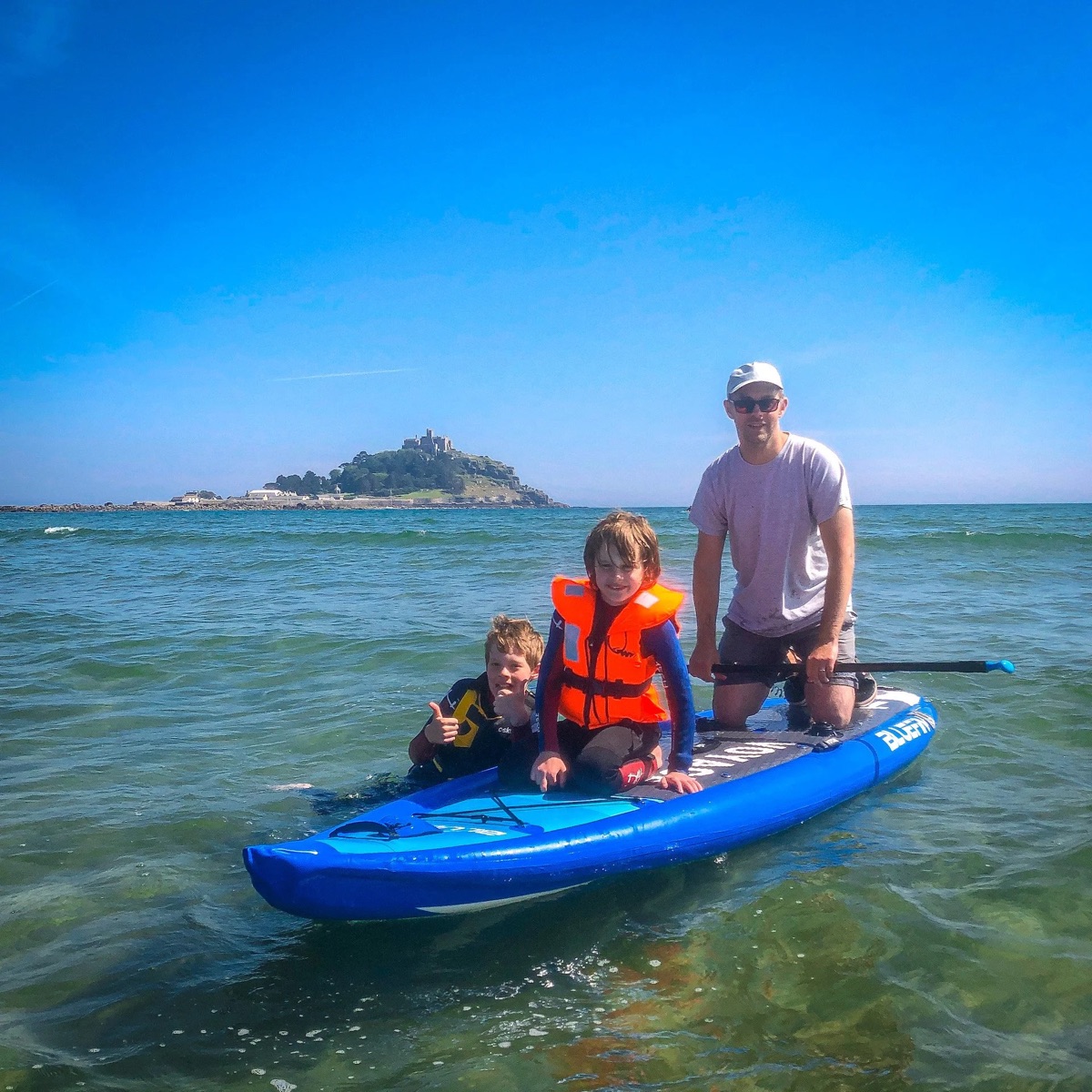
When we first started, our very first experience was hiring an all-rounder board to explore shoreline areas, revealing our initial selection would have been inadequate for our family's needs.
Paddleboarding Locations
Coastal Areas: Sea locations work best with minimal waves, light onshore winds, and clear shallow water. Long flat beaches prove ideal for learning.
Lakes: Generally the easiest paddling environment—stationary water eliminates tide concerns, and many facilities permit boards while offering rescue services and equipment rentals.
Rivers and Canals: These offer transitional difficulty between lakes and oceans. Canal paddling requires proper licenses, and river conditions vary by location.
Essential Safety Practices
- Wear personal flotation devices and leashes consistently
- Choose appropriate clothing—wetsuits for cold conditions
- Pack water and food in waterproof bags
- Check weather forecasts, water conditions, tide times, and wind patterns
- Maintain shallow-water proximity during early learning phases
- Supervise children continuously with proper life jackets
- Understand and follow local regulations
When you start you are going to fall in, but confidence typically develops within 4-5 outings!